
Living in Atlanta means dealing with some pretty intense weather — long, steamy summers with high humidity, occasional wild temperature swings, and winters that can surprise you with sudden freezes. For your Sub-Zero refrigerator, that mix can quietly take a toll.
Many homeowners notice their fridge in southern climate starts working harder than it should: the compressor runs longer, the door seals wear out faster, and minor issues turn into bigger problems sooner than expected. We’ve seen it time and again in the calls we get — how Atlanta climate affects refrigerators is one of the most common questions we answer. The combination of heat, humidity, and even our local water quality can shorten the life of even the best-built appliances if they’re not maintained properly.
In this guide we’ll walk through exactly what’s happening behind the scenes, how these conditions impact your Sub-Zero, and what you can do to keep it running smoothly. And if you’re already seeing refrigerator issues in hot climate, don’t wait — schedule a check-up before a small problem turns into a costly one. If the built-in units above your range are acting up too, we also handle Wolf microwave and hood repair.
How Atlanta's Climate Affects Sub-Zero Refrigerators
Atlanta’s weather is tough on high-end appliances. Heat, humidity, hard water, and airborne dust all work against your Sub-Zero, making it work harder and wear out faster than it would in cooler, drier climates. Here are the biggest factors we see causing premature failures in our shop.
Heat
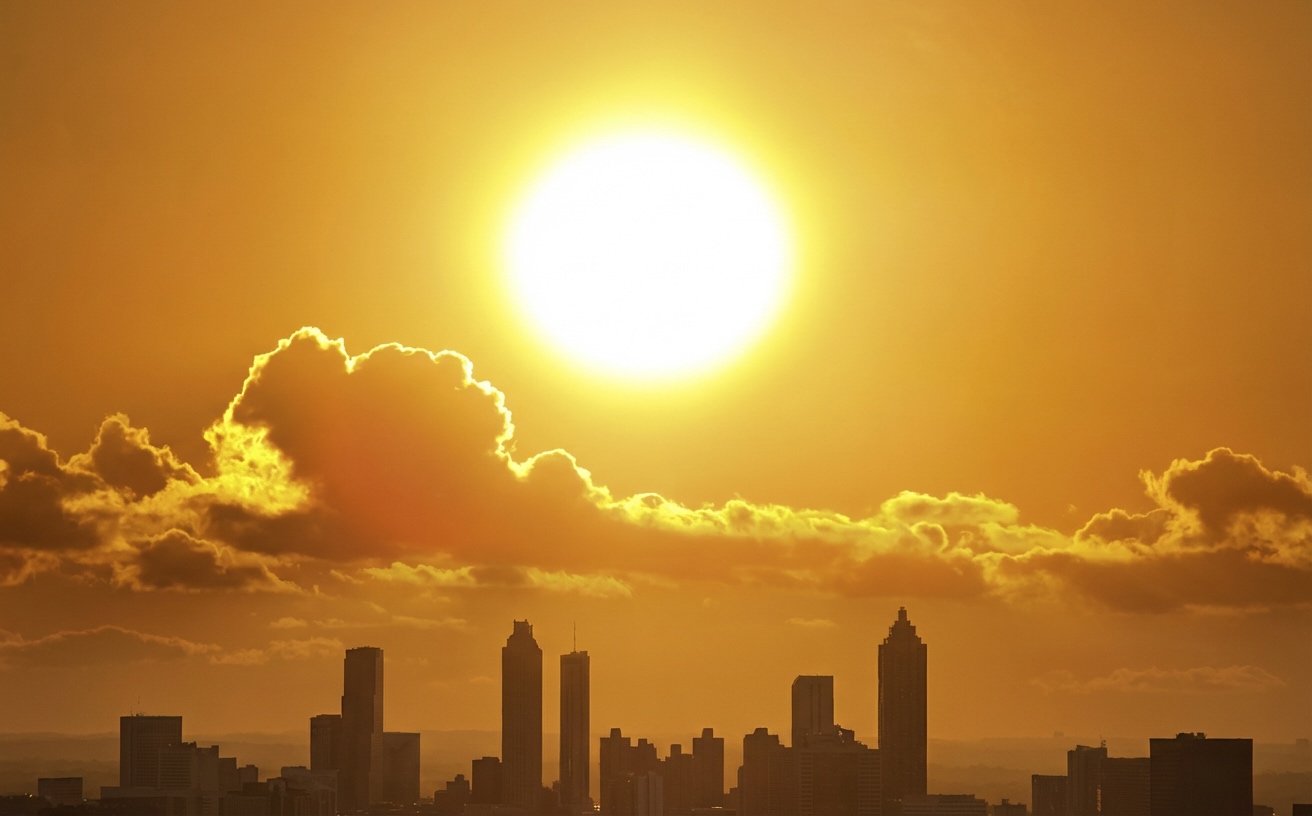
Atlanta summers regularly hit 90°F+ with heat indices well over 100°F. That kind of heat forces the compressor to run longer and harder to maintain the set temperature inside. Over time, this extra strain can lead to compressor overheating, refrigerant leaks, or even early burnout. We’ve replaced more compressors in July and August than any other time of year.
Impact of heat on fridge is especially noticeable in Sub-Zero models because their sealed systems are designed for efficiency — not for constant maximum output. Cooling in hot climates like ours puts real stress on these units, and we see it every summer.
Humidity
Our average summer humidity hovers between 70% and 80%. That moisture sticks to condenser coils, reduces cooling efficiency, and accelerates mold growth inside the unit. High humidity also makes door seals swell and degrade faster, letting cold air escape and warm air sneak in. The result? Longer run times and higher energy bills.
Fridge performance in humidity drops noticeably, and we often find that Atlanta heat humidity impact is the hidden culprit behind uneven cooling in side-by-side models or frost buildup.
Hard Water
Atlanta water is notoriously hard, with high levels of calcium and magnesium. When water flows through the ice maker or water dispenser (common in Sub-Zero models), mineral deposits build up in valves, lines, and filters. That can cause slow ice production, leaks, or complete failure of the water system.
Atlanta water hardness and water quality impact are behind a surprising number of service calls we get — many of which could be prevented with regular filter changes.
Dust and Pollen
Spring and fall bring heavy pollen counts, and year-round dust gets sucked into the coils. Dirty coils make the system work harder, overheat, and lose efficiency. We’ve seen units that look clean on the outside but have an inch-thick layer of dust and pollen on the condenser.
How to Reduce These Impacts and Extend Your Sub-Zero’s Lifespan
The good news? You don’t have to just sit back and watch your Sub-Zero suffer from Atlanta’s climate. With a few smart habits, you can cut down on wear, avoid expensive repairs, and keep your fridge running like it’s fresh out of the factory. Here’s what we recommend to our customers based on years of seeing what actually works.

- Clean the condenser coils every 3–4 months
Dust, pollen, and pet hair build up fast here. Use a vacuum with a brush attachment or a coil cleaning brush. Dirty coils make the compressor work overtime, especially in summer. This simple step alone can add years to your unit’s life.
2. Check and replace the water filter regularly
Atlanta’s hard water clogs filters quickly. Sub-Zero recommends changing the filter every 6 months — or sooner if you notice slow ice production or off-tasting water. A fresh filter prevents mineral buildup in the water lines and valves.
3. Keep the door seals clean and tight
Humidity causes seals to swell and lose their grip. Wipe them down with a mild soap solution every few months and check for gaps by slipping a dollar bill between the seal and the frame. If it pulls out easily, the seal might need replacing.
4. Use a dehumidifier in the kitchen if possible
Preventing humidity damage to your Sub-Zero is much easier when indoor humidity stays below 60%. A small dehumidifier near the fridge can make a big difference, especially during muggy summers.
5. Leave space around the unit and avoid blocking vents
Maintaining in Atlanta means giving your Sub-Zero room to breathe. Keep at least 2–3 inches of clearance on the sides and top. Blocked vents force the system to work harder in the heat.
6. Schedule a professional refrigerator Atlanta maintenance check once a year
Atlanta increased maintenance is a must for high-end brands like Sub-Zero. Our techs can catch small issues — like early refrigerant loss or worn parts — before they become major failures.
Follow these steps, and you’ll notice smoother performance, lower energy bills, and fewer service calls. Tips for in humid regions like ours really do make a difference.
7 Signs Your Sub-Zero Refrigerator Isn't Handling Atlanta’s Conditions
Sub-Zero units are built tough, but Atlanta’s heat, humidity, and hard water can push even the best models to their limits. When that happens, they usually give you clear warning signs before they completely fail. Here are the most common red flags we see in our shop — if you spot any of these, it’s time to act.

- The compressor runs constantly or cycles on and off too frequently
In normal conditions, the compressor should rest periodically. Constant running in summer usually means the unit is fighting heat and humidity to keep temperatures steady. You might notice higher electric bills too.
2. Uneven cooling — some areas are too warm, others frost up
Poor airflow or failing seals are often the cause. Humidity makes seals degrade faster, letting warm air in and cold air out. If the crisper drawer feels like a sauna while the top shelf is icy, that’s a classic sign.
3. Unusual noises — clicking, buzzing, or grinding
These sounds can point to a struggling compressor or fan blades hitting dust buildup. We hear a lot of “jet engine” complaints during pollen season.
4. Ice maker slows down or stops producing ice
Hard water clogs the water inlet valve and lines over time. If your ice cubes are tiny, cloudy, or you’re getting none at all, the water system is likely affected.
5. Water dispenser tastes off or flows slowly
Mineral buildup from Atlanta’s water quality can block the filter or lines. If the water tastes metallic or barely trickles, the system needs attention.
6. Excessive frost or condensation inside or outside the unit
This is almost always tied to failing door seals or high indoor humidity. You might see water pooling under the fridge too.
7. Temperature fluctuations or alarms going off
If the fridge or freezer temp keeps swinging or the control panel flashes warnings, it’s usually struggling to maintain cooling against the heat outside.
Atlanta weather refrigerator problems show up in patterns like these all year long. If you’re seeing two or more of these signs, don’t wait for it to get worse. A quick check now can save you from a big repair bill later.
Where to Go for Sub-Zero Repairs in Atlanta
Some Sub-Zero issues are simple enough to handle yourself — cleaning the condenser coils, swapping out a clogged water filter, or tightening a loose seal. We even publish detailed Atlanta repair guide articles on our blog to walk you through those steps safely.
But when the problem involves the sealed system, compressor, refrigerant lines, or complex electronics, DIY attempts can do more harm than good — and may void your warranty. That’s when you need a technician who knows Sub-Zero inside and out.
Atlanta has a handful of local service providers who claim to work on luxury appliances, but very few have the specialized tools and training required for Sub-Zero models. Choosing the wrong shop can lead to misdiagnosis, unnecessary part replacements, or even bigger damage.
At Sub-Zero Techs (Atlanta), we’ve been working exclusively on Sub-Zero refrigerators and freezers for over 15 years. Our techs are experienced and trained, we carry genuine parts, and we’ve handled thousands of cases just like yours. Whether it’s a compressor that’s struggling in the heat or a water system clogged from our local hard water, we know exactly what to look for and how to fix it right the first time.
Conclusion
Atlanta’s climate is beautiful, but it’s not always kind to high-end appliances like your Sub-Zero refrigerator. Heat, humidity, hard water, and pollen all add up, quietly wearing down components and shortening the life of even the toughest units.
The key is staying ahead of the problem: regular cleaning, timely filter changes, and a little extra attention to seals and airflow can make a huge difference. When you notice early warning signs — constant compressor running, uneven cooling, or slow ice production — don’t ignore them. A small fix today often prevents a major breakdown tomorrow.
We’ve seen hundreds of Atlanta homeowners keep their Sub-Zero running smoothly for decades with the right care. If you’re ever unsure or just want a professional eye on things, we’re right here in town, ready to help. Your fridge deserves it — and so do you. If you would rather not open the unit yourself, see Brookhaven service area for coverage and response times.
FAQ
How does Atlanta’s humidity affect my Sub-Zero refrigerator?
High humidity makes door seals swell and lose their seal, lets moisture build up on coils, and forces the unit to work harder. You’ll often notice frost buildup, condensation, or uneven cooling as a result.
Does Atlanta’s hard water really damage Sub-Zero ice makers and water dispensers?
Yes — calcium and magnesium deposits build up quickly in valves, lines, and filters, causing slow ice production, leaks, or complete failure. Regular filter changes are the best defense.
What maintenance does a Sub-Zero need in hot Atlanta summers?
Clean the condenser coils every 3–4 months, check seals, replace the water filter every 6 months (or sooner), and make sure there’s good airflow around the unit. A yearly professional check is also a smart move.
Can I fix Sub-Zero issues myself, or should I call a pro?
Basic tasks like coil cleaning or filter replacement are safe to do yourself (check our guides). But anything involving the compressor, refrigerant, or complex electronics needs an expert technician to avoid damage or voiding the warranty.
How can I tell if my Sub-Zero is struggling because of Atlanta’s heat?
Look for constant compressor running, higher energy bills, uneven temperatures, or unusual noises. These are common signs the unit is fighting to keep up with summer heat and humidity.
