

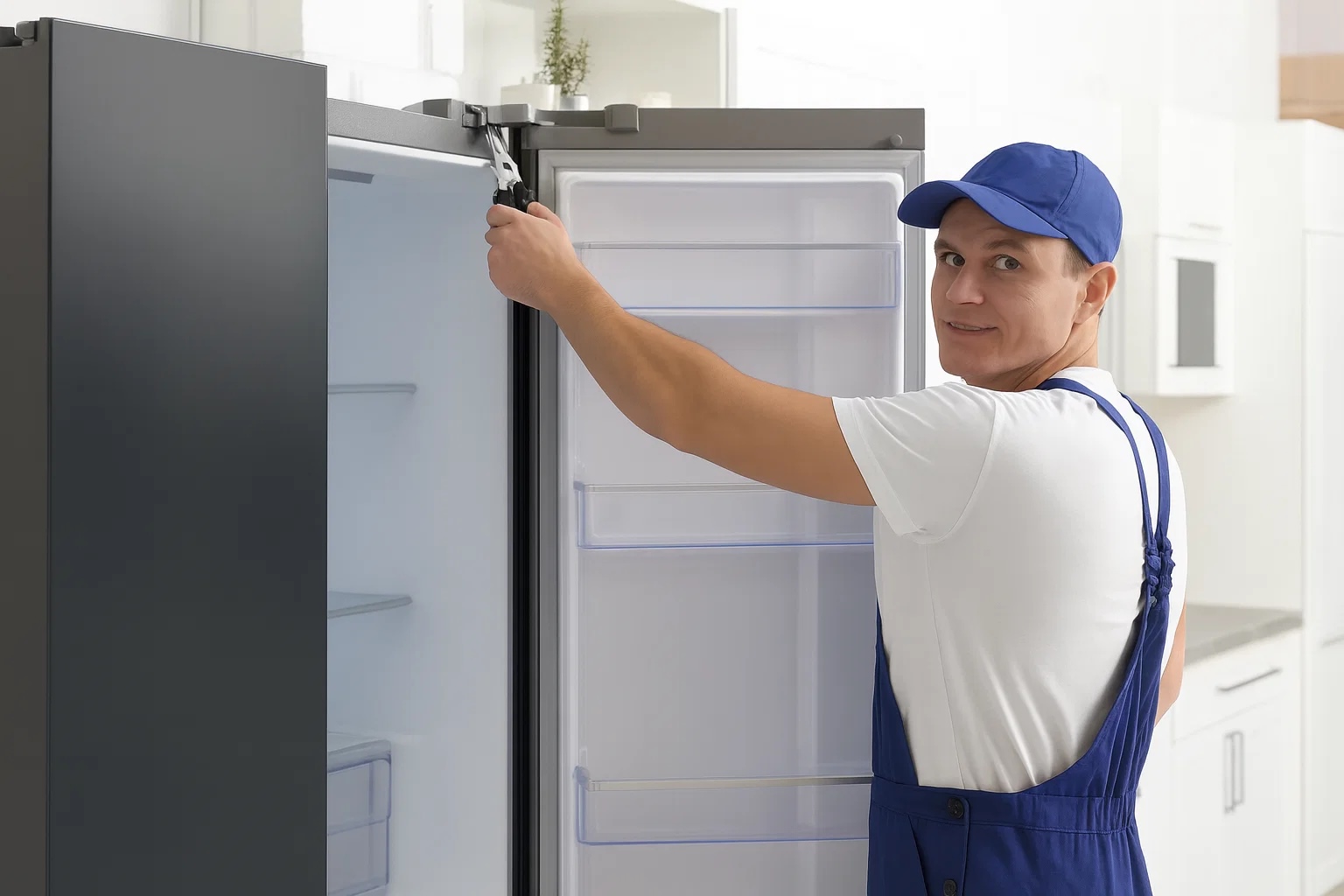
A Sub-Zero refrigerator is built for long-term, dependable performance. That’s why Atlanta homeowners are concerned the moment a classic refrigerator is not cooling. When the temperature rises, food spoils quickly, and the problem needs attention right away.
The failures are usually clear: the fridge feels warm, items soften, or the temperature on the control panel doesn’t match what you’re seeing inside. At that point, most people want a simple answer:
“Why is my Classic refrigerator warm?”
At Sub-Zero Appliance Repair Atlanta, we handle such issues every day. Even though the Classic Series is known for durability, cooling problems can still occur — and they typically follow recognizable patterns.
In this article, we explain the real causes of cooling loss in Classic, BI, and CL Series Sub-Zero units, the model-specific issues we see most often in Atlanta, and the early signs that indicate a system is starting to fail. The same repair is available on site – read more about Brookhaven repair service.

How To Spot Cooling Issues Early
A failing Sub-Zero rarely fails silently.
Before full warming happens, most Classic, BI, and CL models show patterns:
Classic Fridge Warm but Freezer Cold
One of the most misunderstood symptoms. Airflow imbalance, damper failure, evaporator frost buildup, or control miscommunication often begins here.
Classic Not Getting Cold — Intermittently
Many homeowners notice temperature swings long before complete failure.
Bi-36 Not Cooling Properly
This includes inconsistent shelf temperatures or zones that never reach setpoint.
Bi-48 Not Cooling or Cooling Unevenly
A frequent call in Atlanta due to high household usage and large thermal mass.
CL3650 Refrigerator Warm
Often a precursor to sealed system strain or control board misreading internal temps.
CL4250 Not Cold Enough
Usually linked to coil airflow restriction or compressor underperformance.
CL4850 Cooling Failure
This one tends to escalate quickly if ignored.
These symptoms are the refrigerator’s early warnings — signals that one or more internal systems can no longer stabilize temperature the way a Classic Series should.
The Hidden World Behind the Stainless Steel: Actual Causes of Cooling Failure
Every refrigerator looks simple from the outside.
Inside, the Sub-Zero Classic Series is a very intentional ecosystem of coils, sensors, fans, sealed refrigerant channels, thermostatic components, dual compressors (on certain models), and a control architecture unique to Sub-Zero.
Below are the problems we find most frequently in Classic Series units.
1. Classic Series Dirty Coils: Atlanta’s #1 Cause of Cooling Decline
Atlanta has a notorious blend of pollen, dust, pet dander, and humidity.
These particles cling to condenser coils, forming a dense mat that restricts cooling airflow.
For many models — including BI-Series not cooling, CL series cooling problems, Bi-36 not cooling, Bi-48 not cooling, and 30 inch not cooling units — dirty coils are the first domino in a chain reaction:
- compressor runs hotter
- refrigerant doesn’t condense efficiently
- system loses cooling capacity
- temperatures rise
- MAJOR components strain
Left long enough, dirty coils lead directly to classic series compressor failure — one of the most expensive outcomes.
The cause is pretty simple, but people get catastrophic consequences if ignored.
2. Thermostat + Sensor Failures: The “Brain Fog” of the Classic Series
When Atlanta homeowners search “how to troubleshoot classic not cooling”, thermostat issues are among the first topics they encounter — and for good reason.
Sub-Zero’s sensor and thermostat architecture is more sophisticated than most brands.
Failures present as:
- units thinking they’re colder than they are
- warm compartments despite fans running
- intermittent cooling
- cycling on/off too frequently
- zones that are wildly inconsistent
Specific known issues include:
- 700BC thermostat issues
- 700BR not cooling due to misreads
A faulty thermostat doesn’t sound dramatic, but it can send the entire cooling system into chaos.
3. Compressor Problems: When the Heart Stops Pumping Cold
The compressor is the soul of your Classic Series.
When it weakens or fails, the signs are unmistakable:
- the fridge is warm, but the freezer is still barely functional
- long run times
- clicking or humming
- sudden warm zones
- temperatures are rising no matter the setting
We commonly diagnose:
- 550 compressor problems
- model 511 not cooling
- 550 not cooling
- 590 not cooling
- 661 not cooling
A stressed compressor often traces back to:
- extreme coil blockage
- refrigerant imbalance
- control system errors
- long-term heat exposure
- Atlanta’s summer load on sealed systems
- age
Once the compressor is compromised, DIY options disappear.
Why Classic Series Cooling Problems Require More Than a “Quick Fix”
Every few weeks, we meet someone who attempted their own repair after searching:
- classic series not cooling fix
- how to troubleshoot classic not cooling
- fixing warm fridge classic series
And while the effort is understandable, Sub-Zero systems, especially the Classic Series, require a level of precision that cannot be improvised.
Here’s why:
- They use sealed systems that must be opened only with EPA-certified equipment.
- Diagnostics require proprietary Sub-Zero tools.
- Refrigerant levels must be exact — even slight deviations affect cooling.
- Sub-Zero evaporator design is extremely specialized.
- Many failures are internal, not visible.
This is why homeowners searching for the best repair service for Classic eventually end up calling an experienced team.
Whether it’s BI-Series, CL-Series, or older Classic models, every generation has patterns — and we know them all.
Atlanta’s Climate Makes Cooling Problems Worse — Here’s Why
This is why Atlanta homeowners see:
- bi-series not cooling,
- cl series cooling problems,
- classic not getting cold,
- classic refrigerator warm,
- classic fridge warm but freezer cold,
- And a full classic series compressor failure
…more frequently than cooler, cleaner-air regions.
Your Sub-Zero Needs Expert Hands — Not Guesswork
If your Classic Series is warming up, don’t wait for the problem to worsen.
Sub-Zero systems rarely self-correct. More often, they cascade.
Restore the Cold, and Your Confidence
A classic series refrigerator not cooling isn’t just a mechanical issue — it’s a disruption to your home, your meals, and your routine. The Sub-Zero Classic Series is built like no other appliance, but even the best systems need expert care.
Whether you’re dealing with a subtle temperature swing or a full classic not getting cold failure, we’re here to restore your refrigerator’s performance — and your peace of mind.
FAQ
Why is my Classic refrigerator warm?
Usually coil blockage, compressor strain, thermostat failure, or a sealed system imbalance.
What causes classic fridge warm but freezer cold?
Airflow failure, damper malfunction, evaporator blockage, or temperature sensor miscommunication.
How do I troubleshoot classic not cooling?
You can check power, doors, and visible coils — but internal diagnostics require factory tools.
Can dirty coils really cause major failures?
Absolutely. Classic series dirty coils are the #1 preventable cause of classic series compressor failure.
Is the compressor the most common problem?
Among aging units, yes — especially 511, 550, 590, 661, and 700-series.
Do you service BI-Series and CL-Series too?
Yes. We specialize in:
- bi series not cooling repair
- cl series cooling problems
- All 30–48 inch configurations
