
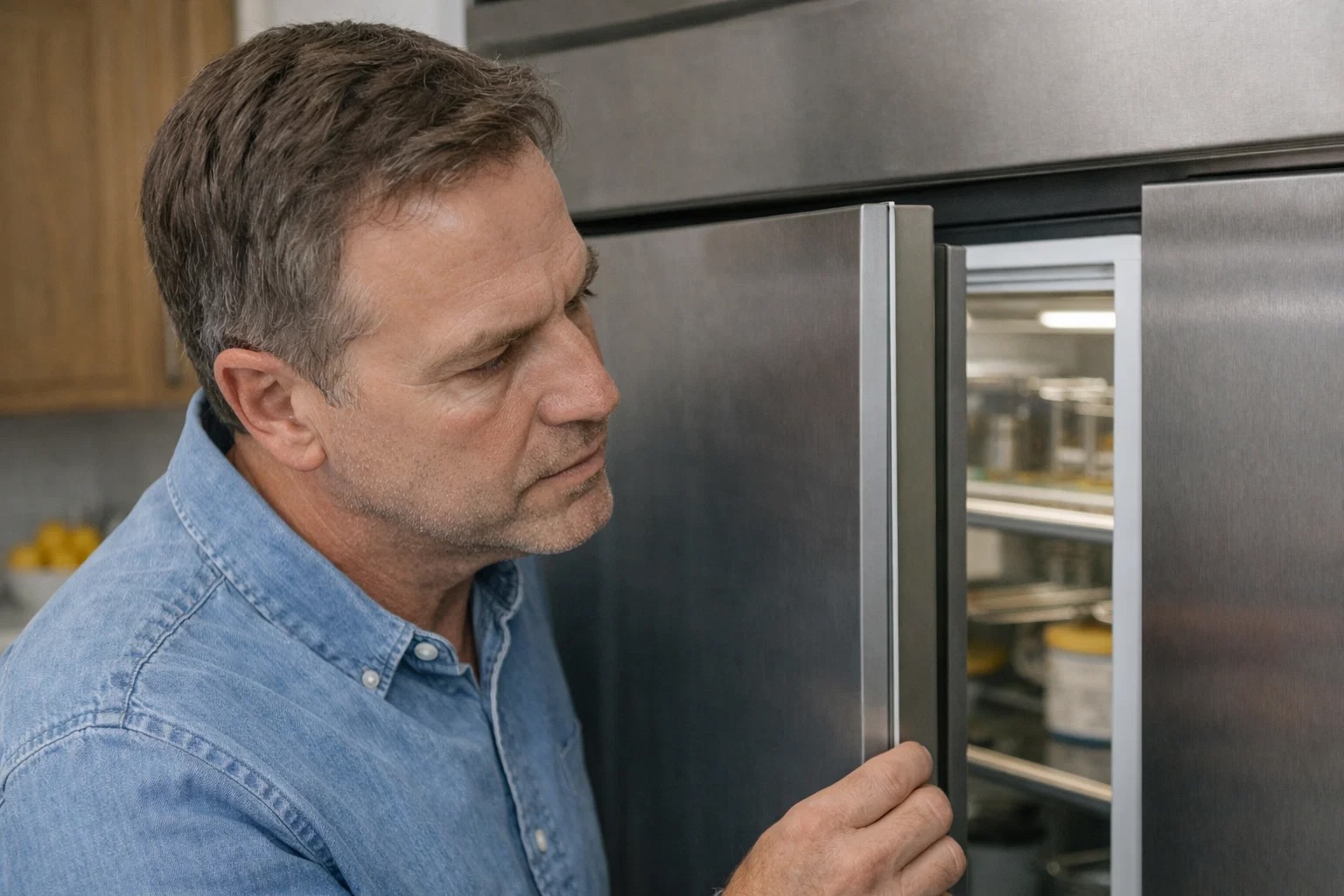
Sub-Zero refrigerators are known for reliability, quiet operation, and precise temperature control. In many Atlanta homes, they run for years with very little attention. When something starts to feel off, it’s usually not a sudden failure. More often, it’s a small change: cooling that isn’t as steady, ice production slowing down, or a sound you haven’t heard before.
We believe you often ask yourself the same question: Can I fix this myself, or do I need a technician? The answer depends on the problem and how far it’s progressed. Some issues can be addressed safely with basic troubleshooting. Others should never move beyond simple checks.
In this article, we explain how to approach DIY troubleshooting, what common fixes for fridge problems actually work, and when to call a professional before a minor issue turns into an expensive one. We run this same diagnostic on service calls every week – check Sandy Springs repair service for scheduling and what a visit includes.
DIY Repair and Troubleshooting: Knowing the Limits
A good DIY repair guide starts with understanding what’s reasonable to handle on your own. Sub-Zero refrigerators allow for routine maintenance and surface-level troubleshooting. Cleaning, inspection, and basic adjustments often solve early-stage problems.
DIY repair stops making sense once the issue involves internal systems, electronics, or repeated failure. These appliances are engineered for precision, not trial-and-error repair.
Cooling Problems: The Most Common Starting Point
Cooling complaints are by far the most common Sub-Zero issue we see. In many cases, the refrigerator itself is not failing. Restricted airflow, dirty condenser areas, or door seals that don’t close tightly can slowly reduce performance.
Basic step-by-step troubleshooting includes:
- checking temperature settings,
- making sure interior vents are not blocked,
- and cleaning accessible condenser areas.
Door gaskets should be clean and flexible, without gaps.
If cooling remains inconsistent after these checks, or the compressor runs almost constantly, the problem is no longer external. Continued refrigerator repair yourself attempts usually won’t help at that stage.
Ice Maker Issues That Begin as Maintenance Problems
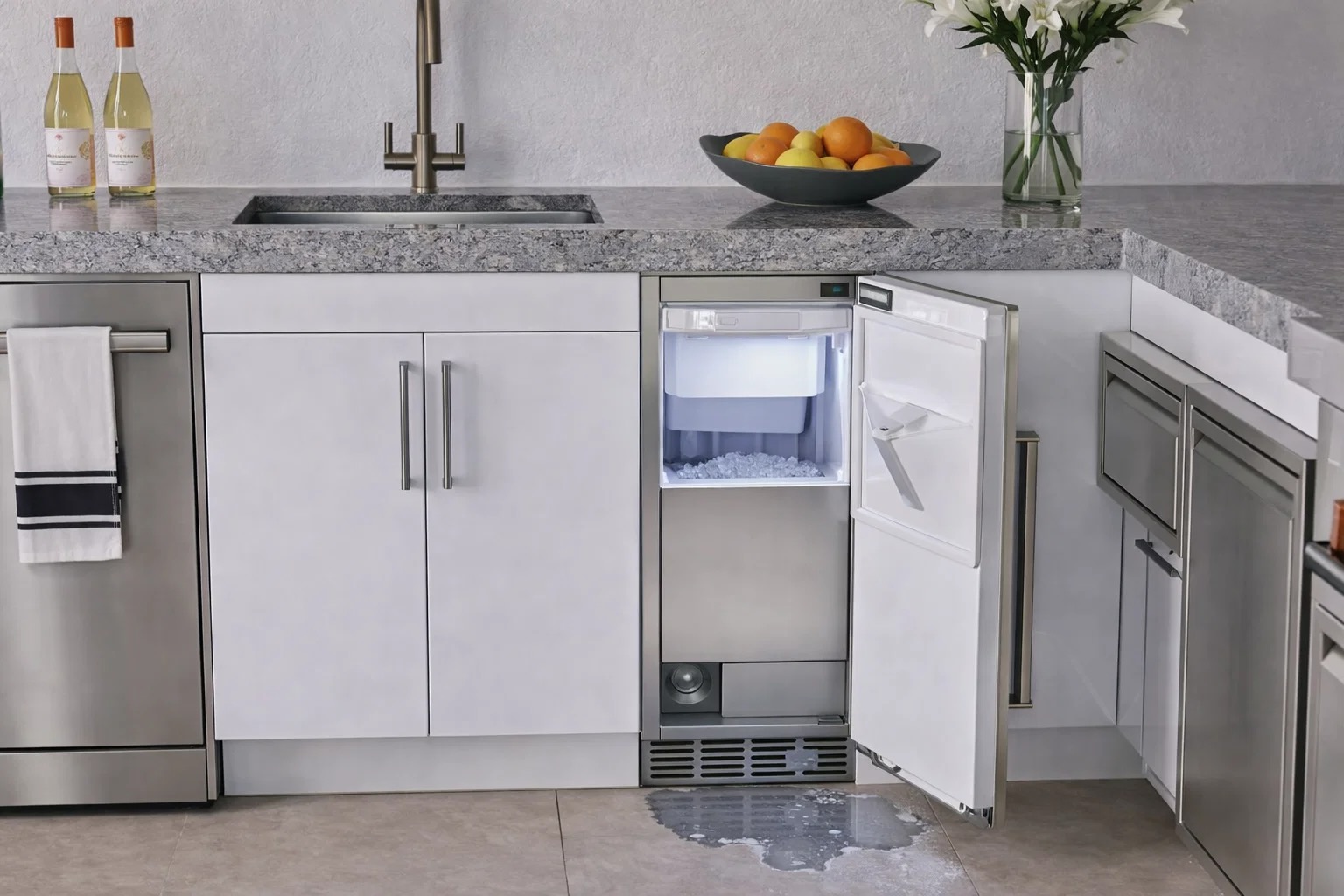
Ice maker problems often start small. An overdue water filter, a partially closed supply valve, or ice buildup in the bin can interrupt ice production without indicating a mechanical failure.
Replacing the filter and clearing visible blockages are reasonable quick fixes. These steps are part of any sensible self repair steps. When ice production stops again after these actions, or water begins leaking, the issue usually involves internal components and should be handled professionally.


New or Unusual Refrigerator Noises
Sub-Zero refrigerators are not silent, but they are consistent. A change in sound is usually meaningful.
A light rattle caused by an unlevel unit or loose shelving is easy to correct. Persistent humming, buzzing, or knocking, especially if it comes from the compressor area, is not normal. This is one of the clearest signs that DIY troubleshooting should stop.


Noise Overview
Noise Type | Likely Cause | Next Step |
Rattling | Unit not level or loose items | Adjust and recheck |
Buzzing | Airflow restriction | Clean and inspect |
Knocking | Mechanical stress | Call professional |
Water Leaks: A Clear Line for DIY Repair
Minor water buildup can sometimes be traced to a clogged defrost drain or a filter that isn’t seated correctly. Clearing the drain and reseating the filter are reasonable troubleshooting steps.
Leaks that continue, appear near wiring, or seem to come from inside cabinet walls should never be treated as a DIY project. Water damage spreads quickly and can affect both the appliance and the surrounding space.


Control Panels and Electronic Issues
If a control panel becomes unresponsive, a brief power reset may clear a temporary glitch. Checking whether the controls are locked is also safe.
Blank displays, recurring error codes, or controls that stop responding altogether fall outside any practical step-by-step repair tutorial. Control boards and wiring are not designed for homeowner repair.

When to Call a Professional
DIY repair guides are useful up to a point. Professional service is the right choice when:
- Cooling problems persist after basic checks
- Water leaks continue or worsen
- Unusual noises don’t stop
- Error codes appear repeatedly
These situations signal internal faults where further DIY repair attempts usually cause more harm than good.
Bottom Line
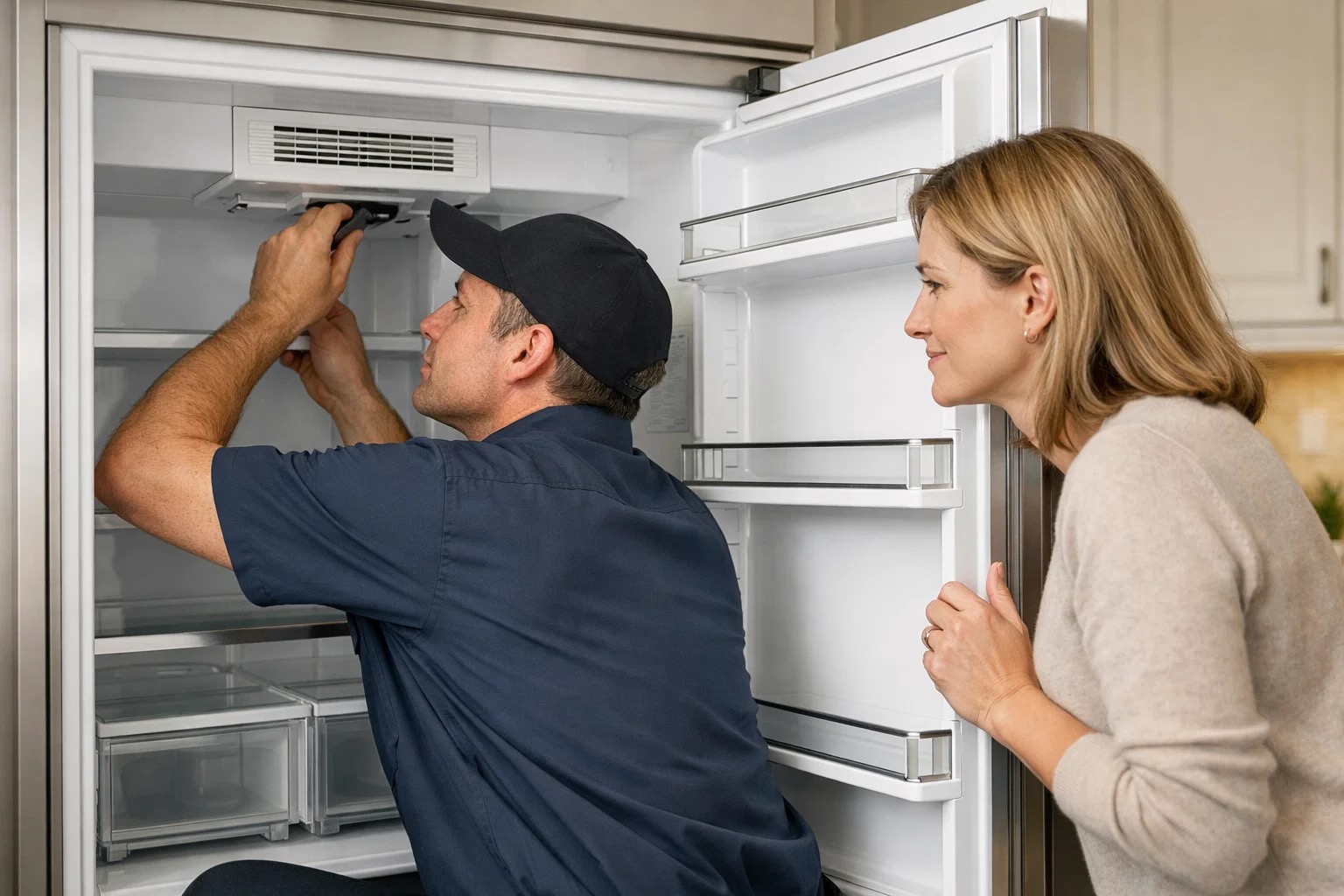
DIY troubleshooting can help catch small Sub-Zero refrigerator issues early. Cleaning, inspection, and simple adjustments often restore normal operation and prevent unnecessary service calls.
Once a problem involves internal systems, electronics, or repeated failure, when to call professional repair is no longer a question—it’s the smart decision. Sub-Zero appliances are precision machines, and guessing your way through repairs rarely works out.
At Sub-Zero Appliance Repair, serving homeowners across Atlanta, GA, we see the difference every day between issues handled early and problems made worse by overextended DIY repair.
FAQ
Can I use a DIY repair guide for Sub-Zero refrigerators?
Yes, for basic maintenance and surface-level troubleshooting. Internal repairs should be handled by professionals.
Why is my Sub-Zero refrigerator not cooling properly?
Airflow restrictions, dirty condenser areas, or worn door seals are common causes. Persistent issues usually indicate internal problems.
Is it safe to reset a Sub-Zero refrigerator?
Yes, resetting can help with minor control issues. If problems return, professional diagnosis is recommended.
When should I stop DIY troubleshooting?
When basic fixes don’t work, or when the issue involves electronics, sealed systems, or repeated failures.
